


Choose language:
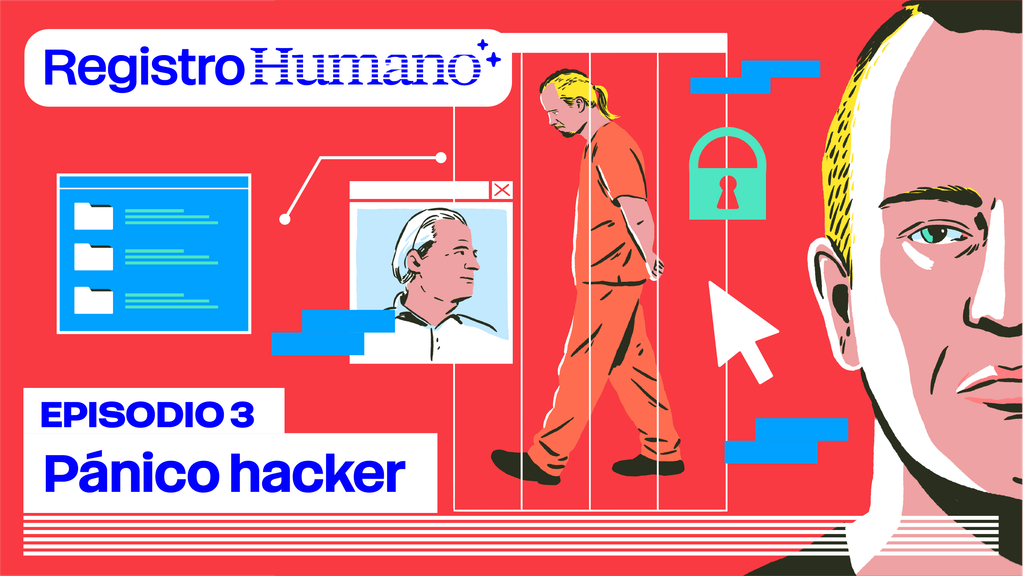
EPISODE 3 Hacker panic
NOTICE: This episode was recorded before Ola Bini was detained by Ecuadorian immigration authorities and deported to Sweden on October 2, 2016, after being labeled a threat to state security, based on a confidential report. Digital Rights and other human rights organizations have expressed concern about the due process violations and are closely monitoring the case.
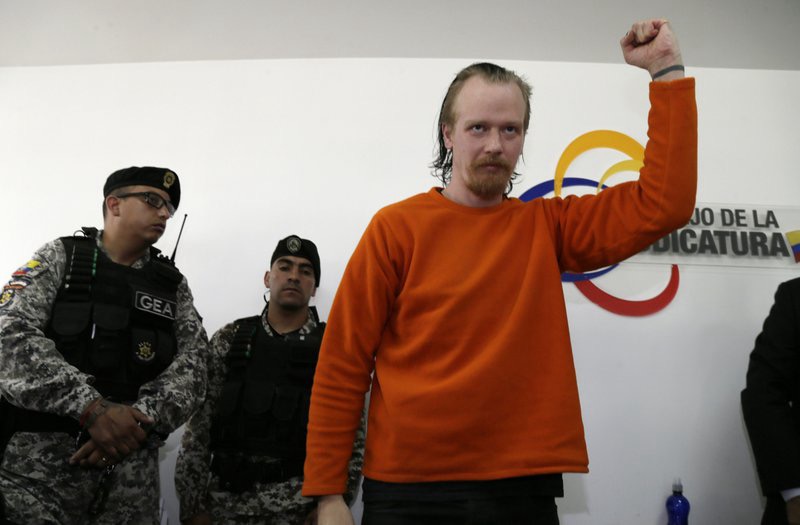
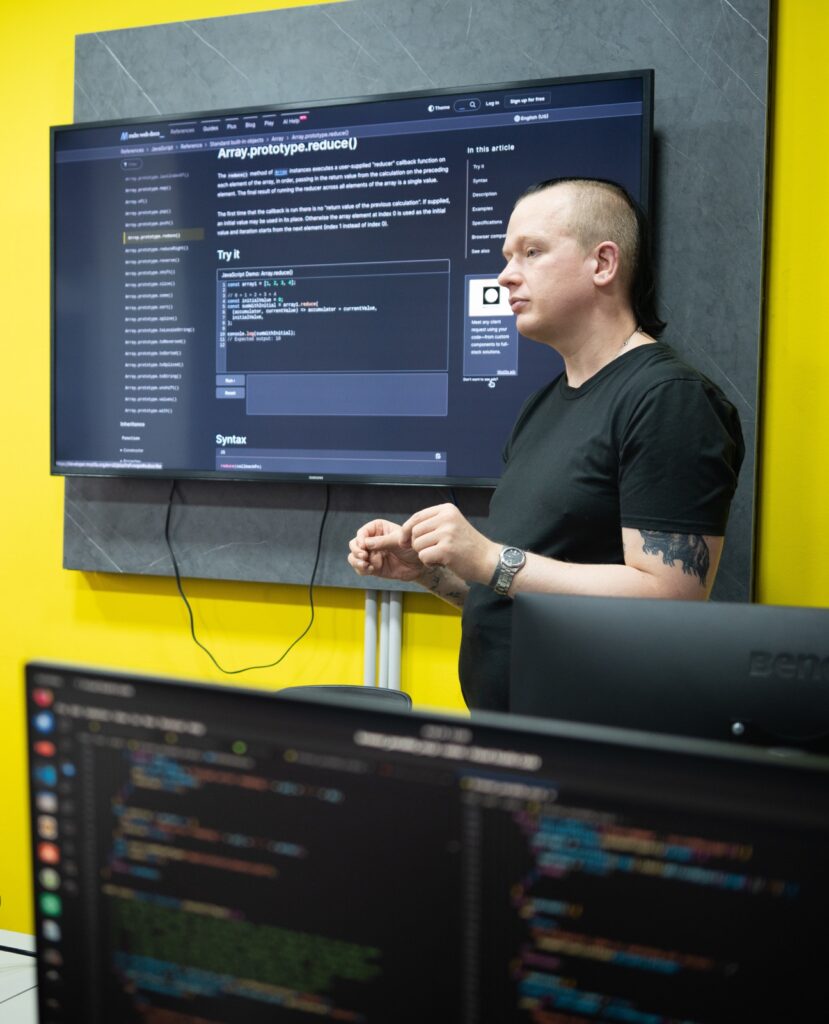
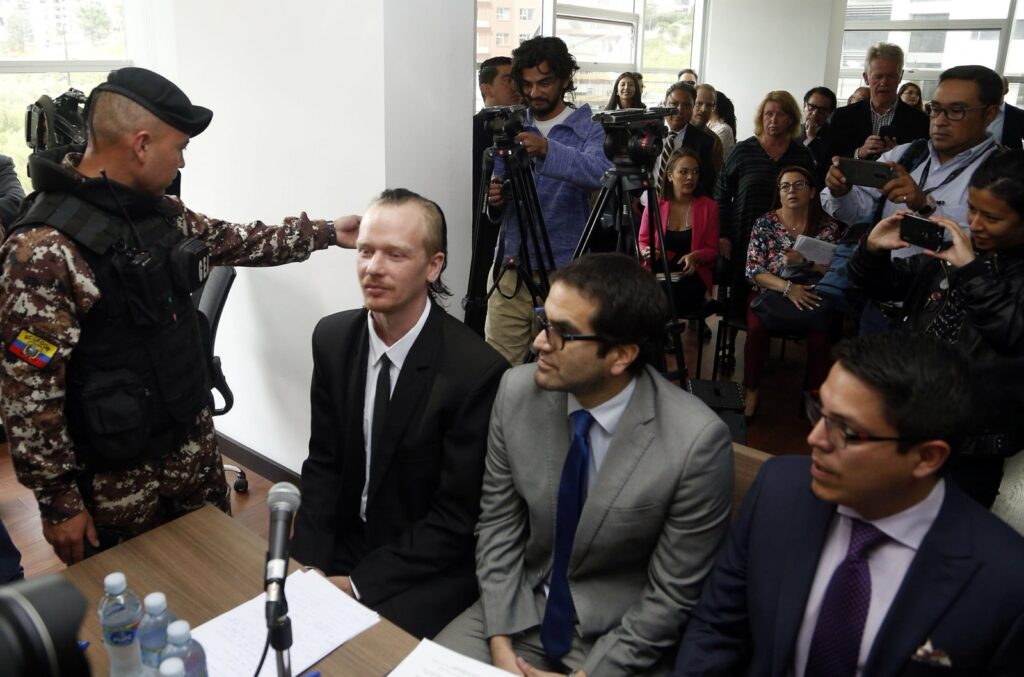
Privacy is a right for everyone. It allows us to express ourselves freely, dissent, and organize without fear of surveillance. However, in Latin America, defending this right can have consequences. Those who investigate cybersecurity issues or develop tools to protect our communications are often viewed with suspicion by the authorities. Under the guise of combating crime, states can end up persecuting precisely those who work for a safer internet. In Hacker Panic, we learn the story of Ola Bini, a Swedish developer and free software activist who was detained in Ecuador in 2019, the same day Julian Assange was arrested in London. His friendship with the founder of WikiLeaks and his computer skills were enough to make him a suspect. He spent 70 days in prison and faced a legal process riddled with irregularities for years. His case opens a discussion that affects us much more closely than it seems: how much do we know about the technologies that states use to monitor us? Who controls their use, and what guarantees do we have against potential abuses?
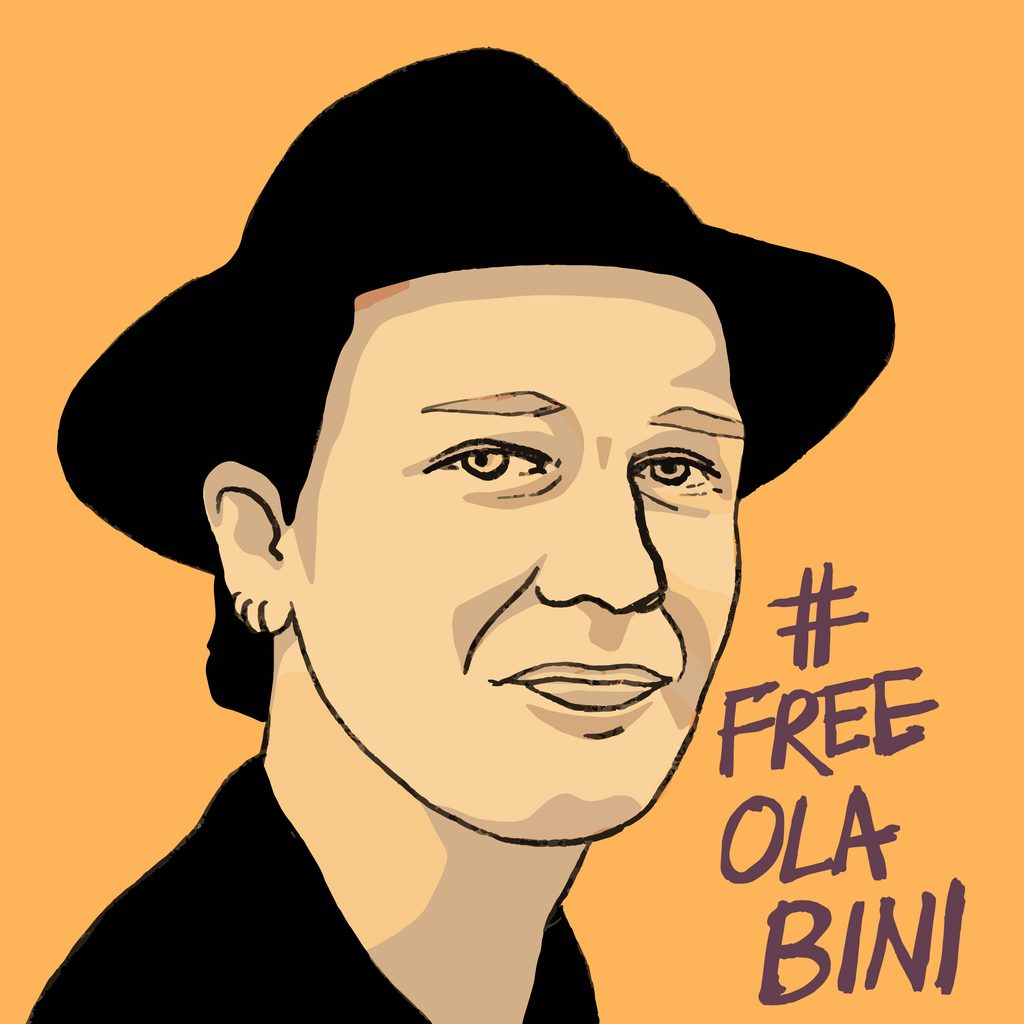
Ola’s story is also a story of solidarity and organization. More than one hundred organizations from around the world mobilized to demand his freedom and denounce his persecution. Today, as surveillance technologies advance in our region, defending privacy remains a collective task. We need to demand transparency, effective controls, and clear limits on the use of these tools. Because we want to live in societies where security is not an excuse to monitor us and where defending our rights is never grounds for persecution.
Learn about Ola Bini’s story!
Find out more about this story
- #FreeOlaBini CAMPAIGN, official website
- Center for Digital Autonomy (CAD), an organization where Ola Bini is Technical Director
- “Letters from Prison,” Ola Bini (2019)
- ELECTRONIC FRONTIER FOUNDATION, an organization monitoring Ola Bini’s legal process
- “Analysis of the Detention and “Deprivation of liberty of Mr. Ola Bini,” Human Rights and Justice Observatory
- “Ecuador deported Ola Bini using an alleged secret report,” Newspaper article by La Barra Espaciadora (2026)
- “Six years of dangerous misconceptions against Ola Bini and digital rights in Ecuador,” IFEX research (2025)
- “Ola Bini innocent: a key ruling for the defense of digital rights,” Report of the Observation Mission on the Ola Bini case (2023)
Explore our research into the case of Ola Bini and the criminalisation of digital activism
- Amicus Curiae brief before the Constitutional Court of Ecuador on behalf of Ola Bini (2026)
- In response to the arrest, visa revocation, and arbitrary deportation of Ola Bini: we demand respect for her fundamental rights and guarantees. COLLECTIVE STATEMENT (2026)
- “The Ola Bini Case in the First Person,” STORIES by Rafael Bonifaz (2021)
- “Ola Bini and the Criminalization of Knowledge,” ANALYSIS COLUMN by Ileana Silva and Rafael Bonifaz (2024)
- “Against the Political Persecution of Ola Bini,” COLLECTIVE STATEMENT (2019)
Interviews in this episode
Rafael Bonifaz

Rafael is the Leader of the Latin American Program for Resilience and Digital Defense (LAREDD) at Derechos Digitales. He holds a degree in Systems Engineering from USFQ and Master’s degree in Cybersecurity from the University of Buenos Aires (UBA). Promoter of free software, cryptography, and decentralization as tools to protect privacy and digital security.
Veridiana Alimonti

Veridiana is Associate Director of Policy for Latin America at the Electronic Frontier Foundation (EFF). She is a lawyer, holds a PhD in Human Rights from the University of São Paulo, and a Master’s degree in Economic Law. Her work focuses on the intersection of technology and human rights, such as privacy and freedom of expression.
Credits
Narration and executive production: Tomás Vizzón
Script: María Florencia Alcaraz
Production: India Molina, Catalina Balla, Nicole Solano and Gastón Wahnish
Research and interviews: India Molina and María Florencia Alcaraz
Sound design: Mateo Corrá
Art and design: Diego Lepián
Administration: Ana Laura Fortuzzi, Camila Lobato and Paula Jaramillo
Supervision: Catalina Balla y Gastón Wahnish
Co-executive directors of Derechos Digitales: Jamila Venturini and Juan Carlos Lara
This podcast was produced with the support of Luminate.
This publication was created by a Spanish-speaking team at Derechos Digitales and translated into English with AI assistance, ensuring accuracy and consistency through human review.