


Choose language:
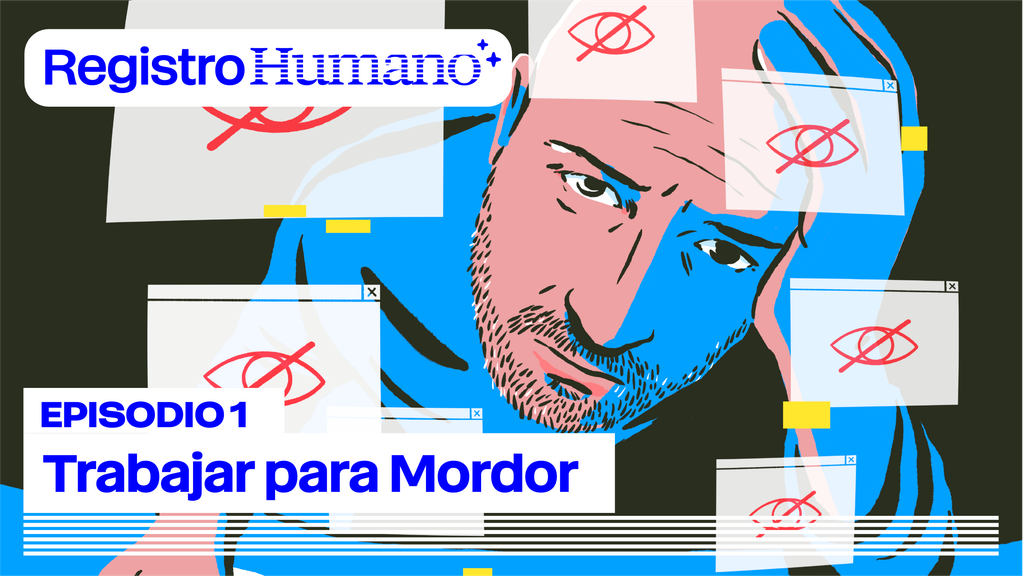
EPISODE 1 Working for Mordor
Warning: this episode contains testimonies and descriptions of sensitive material due to the very nature of moderation work. We suggest you bear this in mind.
After decades of social struggle, there is a global consensus: human dignity at work must be the rule, not the exception. However, this is not the reality for all workers today. Whilst advertising modern offices, flexible working conditions and high salaries for some of their staff, the tech industry giants maintain subhuman working environments far from the gaze of their audiences.
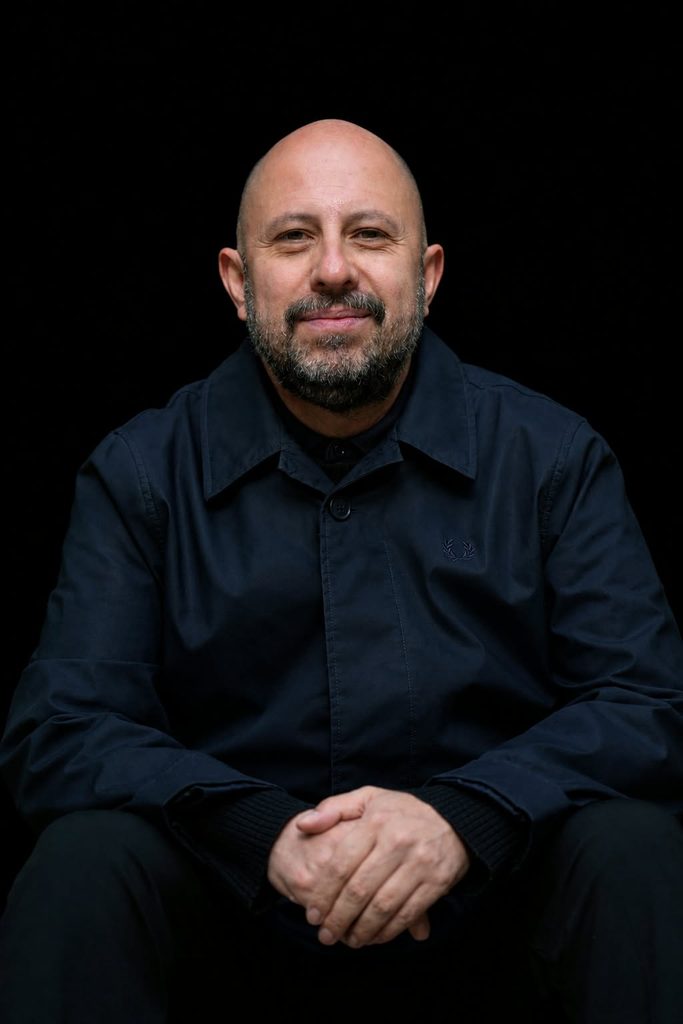
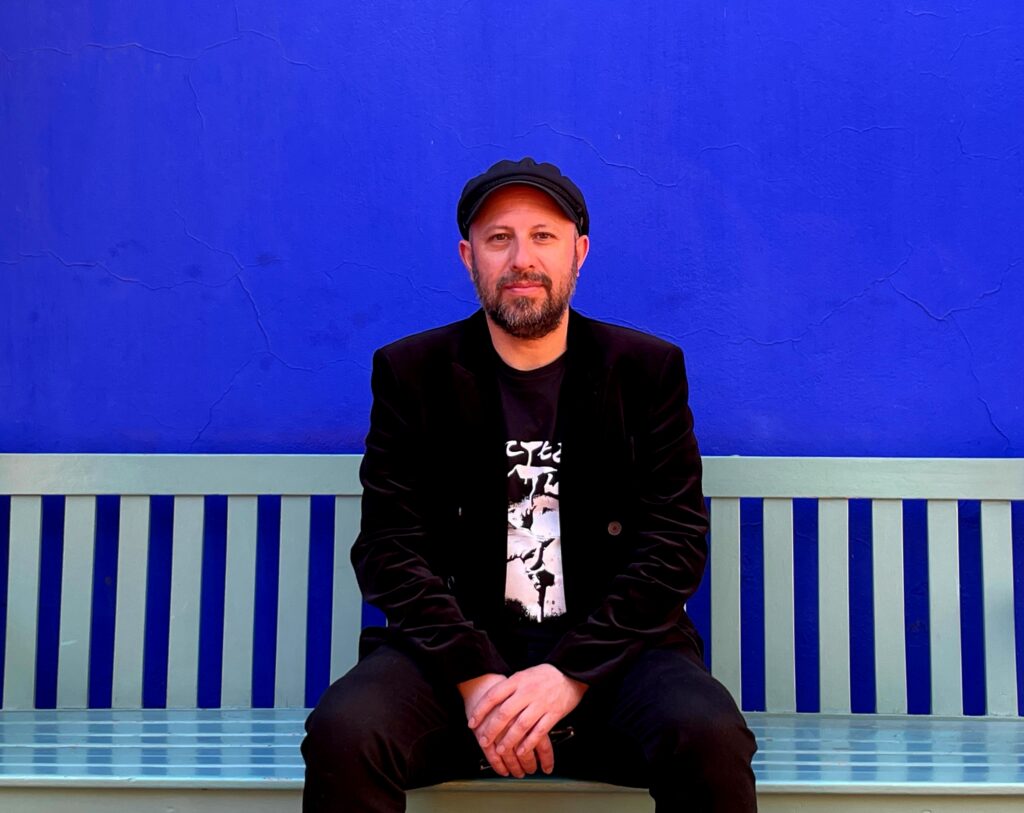
In Working for Mordor, Horacio Espinosa, a Mexican anthropologist who spent five years moderating content for a Meta subcontractor in Barcelona, tells his story. Behind millions of memes, comments and sensitive videos, his job was to filter the horror out of the public eye. For him, the toll was heavy: insomnia and six months of treatment with tranquillisers, without any support or protection from his employer.
Hundreds of thousands of people in different corners of the globe are right now, at this very moment, filtering and tagging content for social media or training the artificial intelligence models we chat with. They work for the algorithm, for a machine incapable of understanding the complexity of the human condition. These are relatively new jobs about which we know very little, because it is their opacity that ensures the precarious nature of the working conditions.
Horacio joined forces with others in the same situation and channelled their anger and distress into collective action. Hearing stories like his is essential to remembering the human element behind the technology and demanding fairer platforms.
Press play and join us!
Find out more about this story
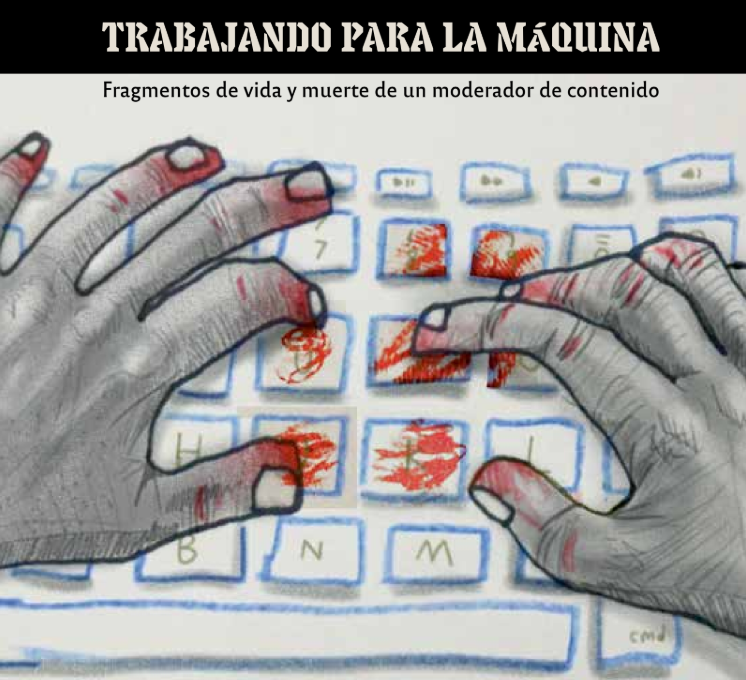
- “Working for the Machine – Fragments of the Life and Death of a Content Moderator,” Fanzine by Horacio Espinosa (2026)
- Data Workers’ Inquiry, official website
- Dr. Milagros Miceli, official website
- “This is the moderator who dared to expose the dark side of Facebook and Instagram,” Video Testimony in El Confidencial (2026)
- “A former Meta moderator reveals the hidden side of social media: I wouldn’t wish what I’ve seen on anyone,” Newspaper Article from ABC (2026)
- “Horacio Espinosa, on his work as a Facebook moderator: The worst thing you can imagine that humanity has ever produced was coming,” Newspaper article from La Sexta (2026)
- “Facebook moderators who denounced wage discrimination face a wave of sanctions,” NEWSPAPER ARTICLE from El Salto (2024)
Explore our research on the future of work and the platform economy
- REPORT “The Future of Work and the Platform Economy” (2026)
- “For Decent Work in the Age of Algorithms,” ANALYSIS COLUMN (2025)
- Rights Frameworks for Decent Work on Platforms: Inputs for the Debate in the Context of the 113th International Labour Conference, ADVOCACY PAPER (2025)
- “Towards a Convention to Regulate Platform Work: A Step Forward in Addressing Labor Market Challenges,” ANALYSIS COLUMN (2025)
Interviews in this episode
Jamila Venturini

Jamila is the co-executive director of Derechos Digitales. She is an activist and researcher with over 20 years of experience in civil society and academic organizations. She is a journalist and holds a Master’s degree in Social Sciences with a specialization in Education from FLACSO Argentina. She is a member of the Cyborg Council of the Latin American Network for Surveillance, Technology and Society Studies (LAVITS) and of the Tierra Común Collective.
Milagros Miceli
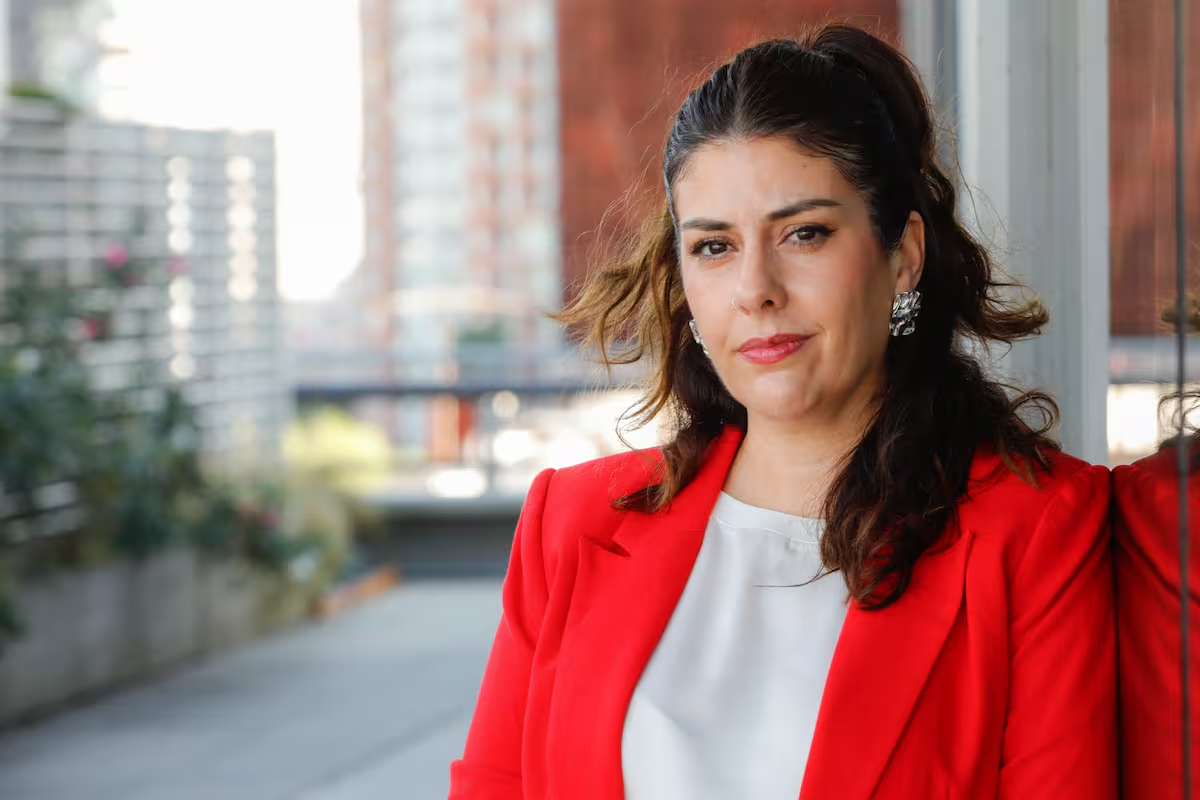
Milagros is a sociologist and computer scientist who researches how reference data for machine learning is produced. She is the research director at the DAIR Institute, head of the Data, Algorithmic Systems and Ethics research unit at the Weizenbaum Institute, and a professor at the Technical University of Berlin. She is also the principal investigator of the Data Workers’ Inquiry project.
Credits
Narration and executive production: Tomás Vizzón
Script: María Florencia Alcaraz
Production: India Molina, Catalina Balla, Nicole Solano and Gastón Wahnish
Research and interviews: India Molina and María Florencia Alcaraz
Sound design: Mateo Corrá
Art and design: Diego Lepián
Administration: Ana Laura Fortuzzi, Camila Lobato and Paula Jaramillo
Supervision: Catalina Balla y Gastón Wahnish
Co-executive directors of Derechos Digitales: Jamila Venturini and Juan Carlos Lara
This podcast was produced with the support of Luminate.
This publication was created by a Spanish-speaking team at Derechos Digitales and translated into English with AI assistance, ensuring accuracy and consistency through human review.