


Choose language:
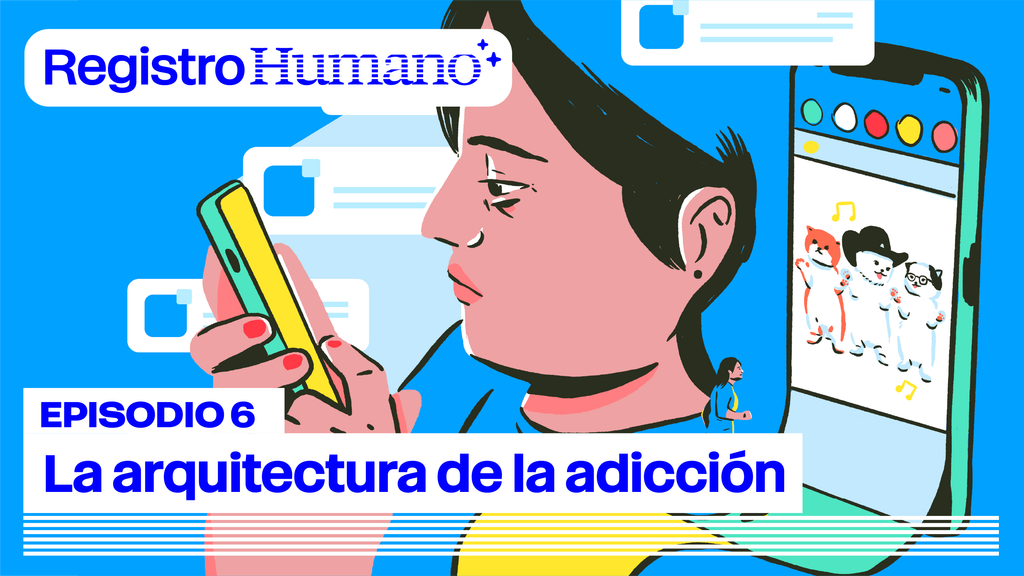
EPISODE 6 The Architecture of Addiction
You open Instagram to look at a photo and, without realizing it, you’ve spent half an hour watching videos. You open TikTok before bed and end up going to sleep much later than planned. How many times has this happened to you? The endless scrolling, autoplay, and constant notifications aren’t accidental: they’re design choices intended to keep our attention for as long as possible. And the more time we spend on these platforms, the more profitable the business becomes for big tech companies.
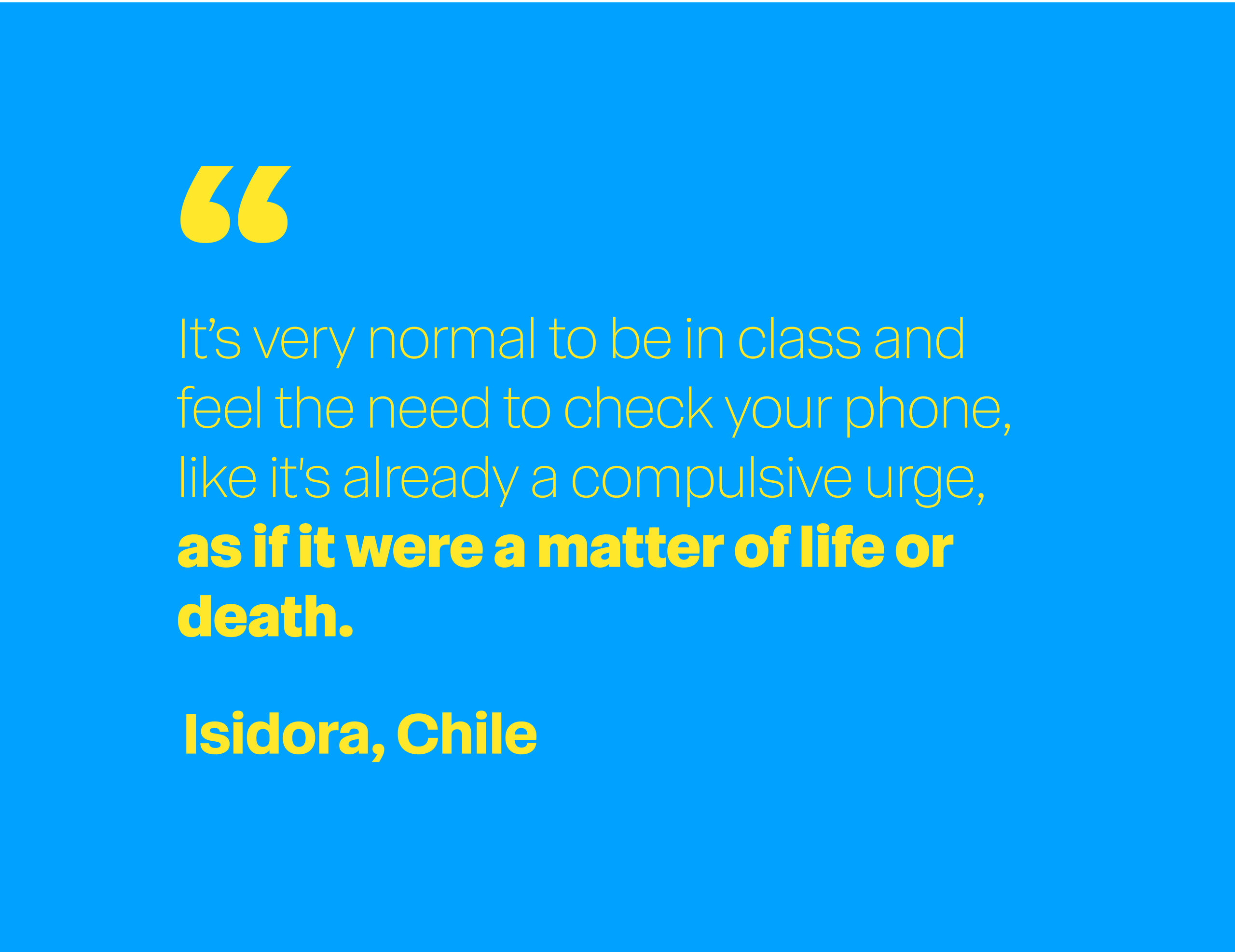
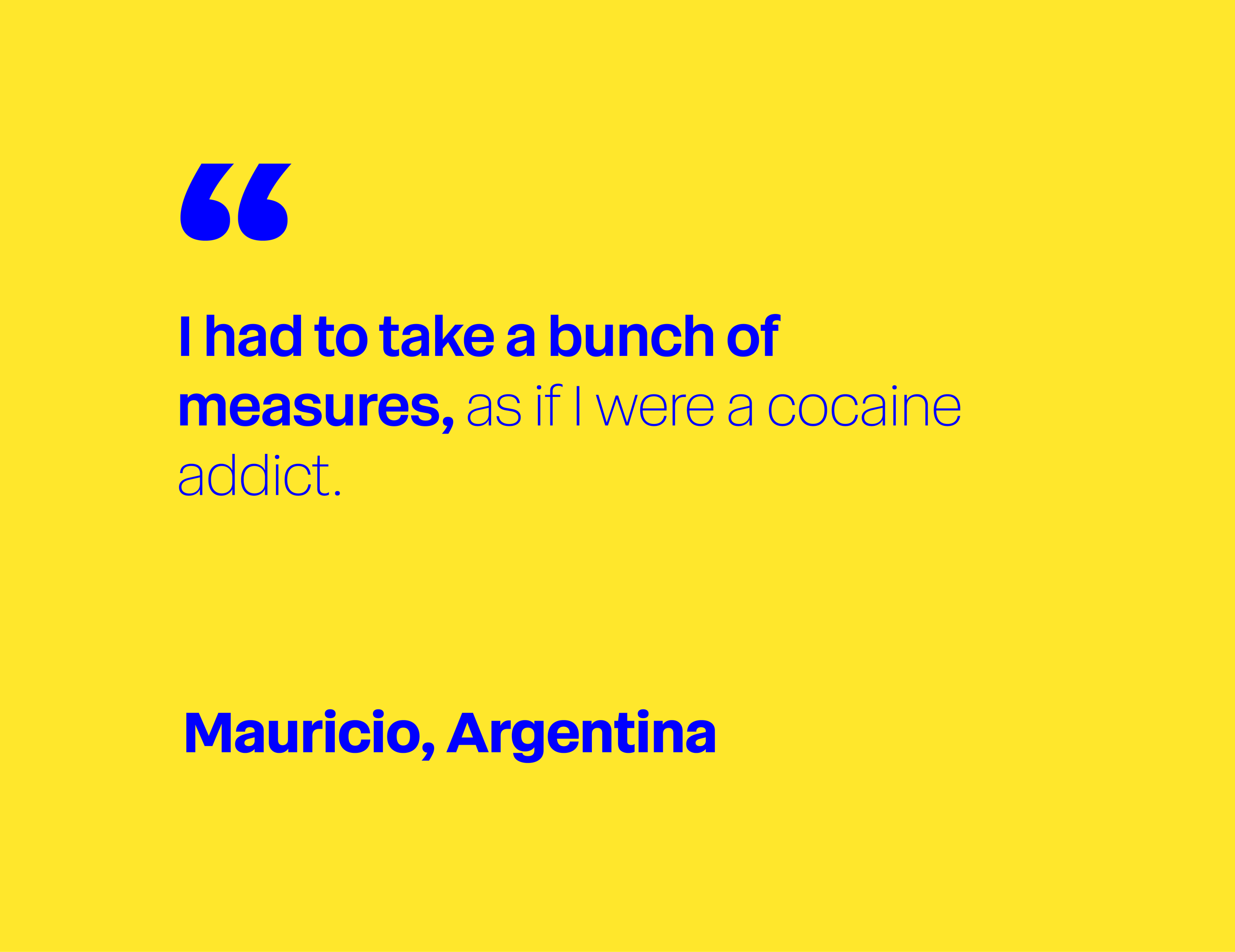
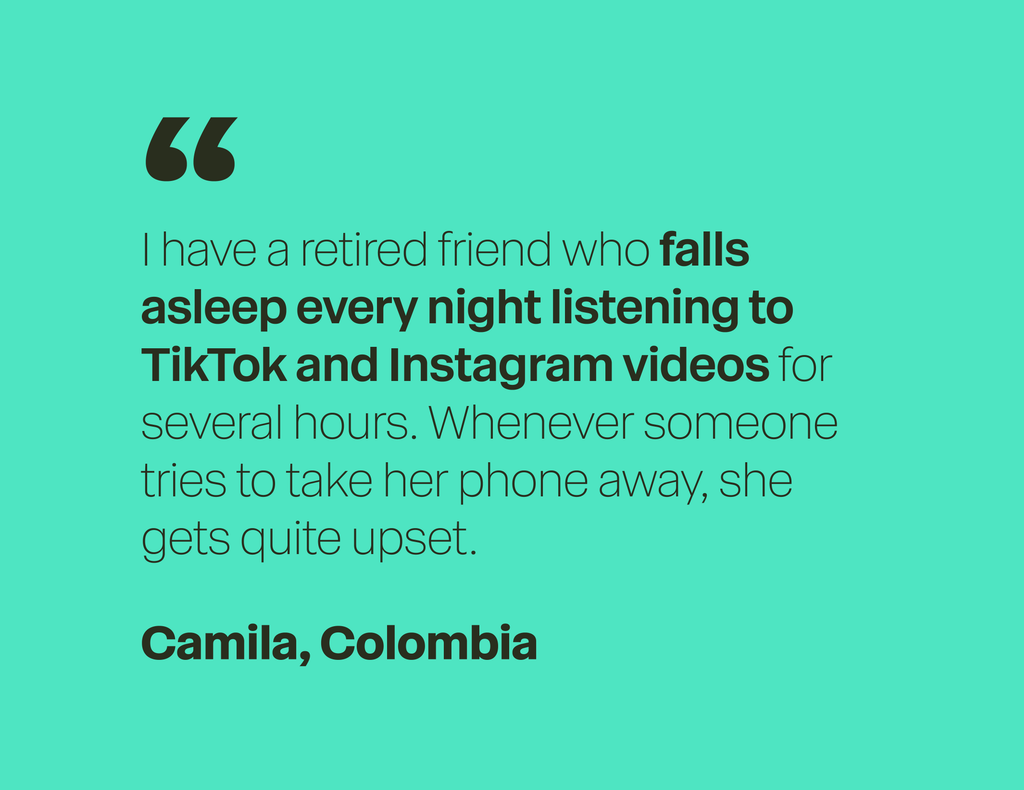
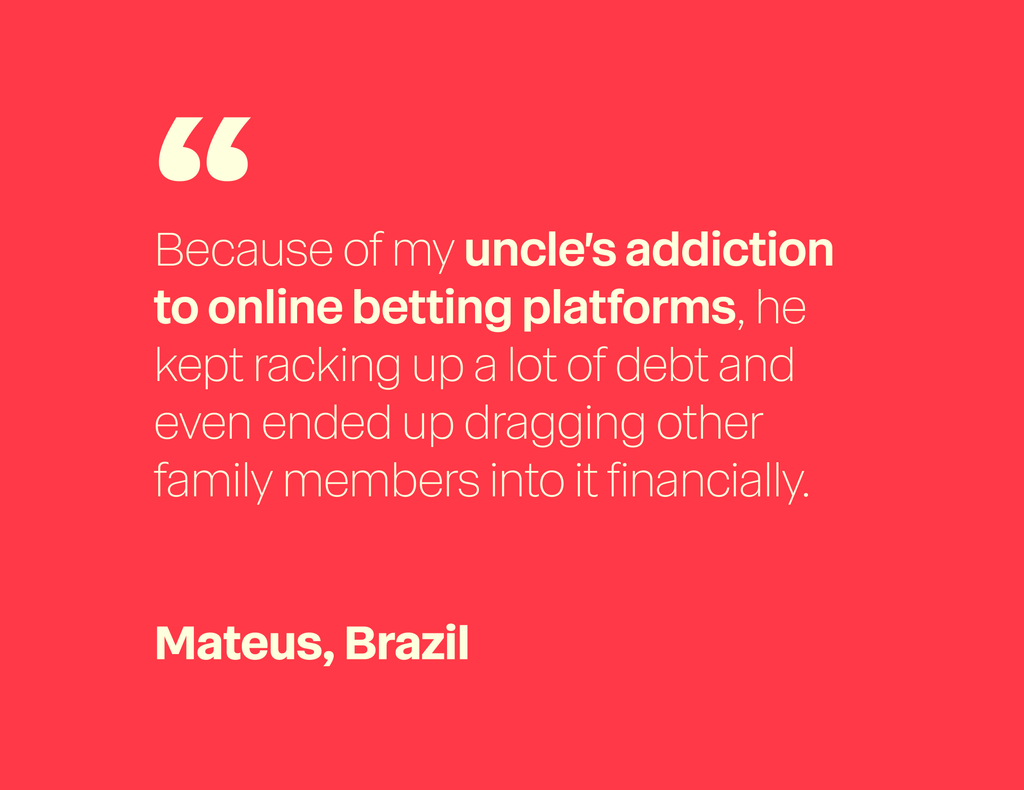
In The Architecture of Addiction, we hear testimonies from people in various Latin American countries who describe how social media, video games, online gambling, and other platforms have affected their routines, relationships, and well-being. Their experiences lead us to a discussion that has already reached the courts: how far does corporate responsibility extend for the effects of its products? In the United States, recent court rulings have challenged the addictive designs of these platforms and opened the door to demanding changes in how they operate.
For years, the response to excessive screen time has been to ask us for more self-control. But we can’t place all the responsibility on individuals while corporations refine mechanisms to keep us hyperconnected. Questioning these designs, demanding regulations, and calling for platforms that respect our autonomy are ways to challenge a business model that turns our attention into profit.
Grab your headphones and let’s get started!
Find out more about this story
- Carolina Rossini, official website
- “Why Can’t I Stop? Addictive Design Patterns and Hooking Technology,” analysis article from The Conversation (2026)
- Internet and Technology Addicts Anonymous (ITAA), website Official
- “Meta agrees to pay up to US$18 billion to settle lawsuit over failures in child protection,” BBC article (2026)
- “California bans addictive social media design for children,” WIRED article (2026)
- Teen mental health and social media: advice from experts convened by UNICEF
- “The changes the European Union plans to implement in social media,” Página 12 article (2026)
- “The Invisible Hand of Big Tech,” research led by Agência Pública and CLIP in partnership with 15 organizations (2025)
Explore our research on platform regulation and governance
- RESEARCH “Childhoods and Digital Environments: Regulatory Trends in Latin America” (2026)
- “Between Prohibiting and Educating: The False Digital Dilemma,” ANALYSIS COLUMN (2026)
- “Governance of Digital Platforms and the Role of Media Regulators,” ANALYSIS COLUMN by J. Carlos Lara (2024)
- RESEARCH “Where is AI regulation headed in the region?” (2026)
- Joint Statement from Civil Society Organizations: Risks to Children and Adolescents in the Proposed Unique Key as a Verifier on Social Networks (2026)
- RESEARCH “Regulation of Platforms in Chile: Progress and Challenges” (2026)
Interviews in this episode
Juan Carlos Lara

Juan Carlos is the co-executive director of Derechos Digitales. He is a human rights advocate in digital environments, with experience in research and advocacy for public policy. He holds a law degree from the University of Chile and a master’s degree from the University of California, Berkeley.
Carolina A. Rossini

Carolina is an expert in public policy and technology law, a professor of practice, and the Program Director of the Public Interest Technology Initiative at the University of Massachusetts Amherst. A Brazilian-American lawyer, she has nearly three decades of experience in the public, private, academic, and non-profit sectors, advising on digital governance, technology policy, and human rights.
Credits
Narration and executive production: Tomás Vizzón
Script: María Florencia Alcaraz
Production: India Molina, Catalina Balla, Nicole Solano and Gastón Wahnish
Research and interviews: India Molina and María Florencia Alcaraz
Sound design: Mateo Corrá
Art and design: Diego Lepián
Administration: Ana Laura Fortuzzi, Camila Lobato and Paula Jaramillo
Supervision: Catalina Balla y Gastón Wahnish
Co-executive directors of Derechos Digitales: Jamila Venturini and Juan Carlos Lara
We appreciate the testimonials sent to us by people from different parts of Latin America for the production of this episode.
This podcast was produced with the support of Luminate.
This publication was created by a Spanish-speaking team at Derechos Digitales and translated into English with AI assistance, ensuring accuracy and consistency through human review.