


Choose language:
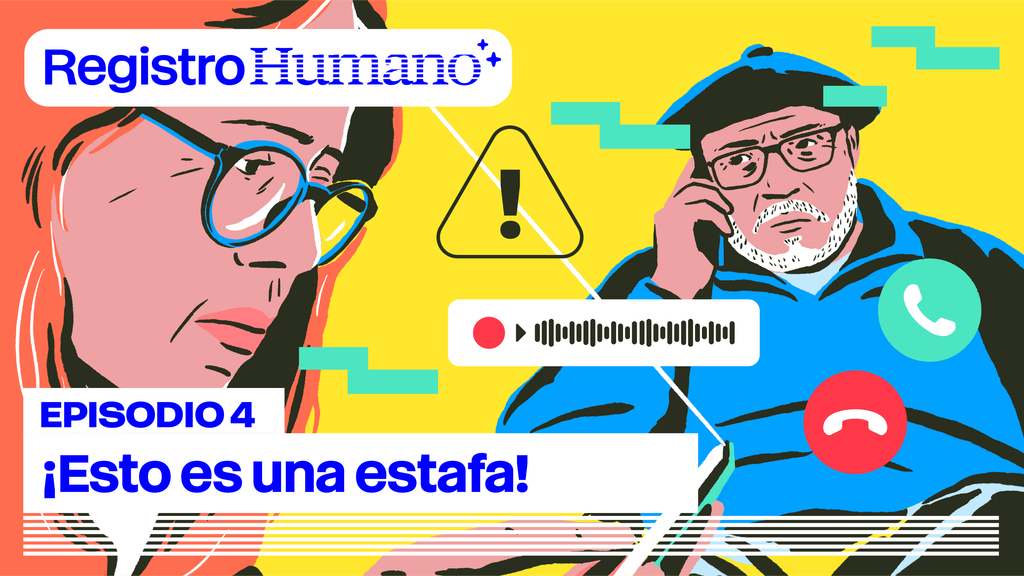
EPISODE 4 This is a scam!
Who has our personal data and what do they do with it? Banks, companies, and government agencies collect enormous amounts of information about our lives, often more than they actually need. This accumulation is not without risks: it increases the likelihood of leaks, misuse, and unauthorized access to private information. In Latin America, our data is even traded on illegal markets, where it’s possible to obtain everything from identity numbers and addresses to financial and family histories. And although many countries have personal data protection laws, there are still significant challenges in enforcing them.
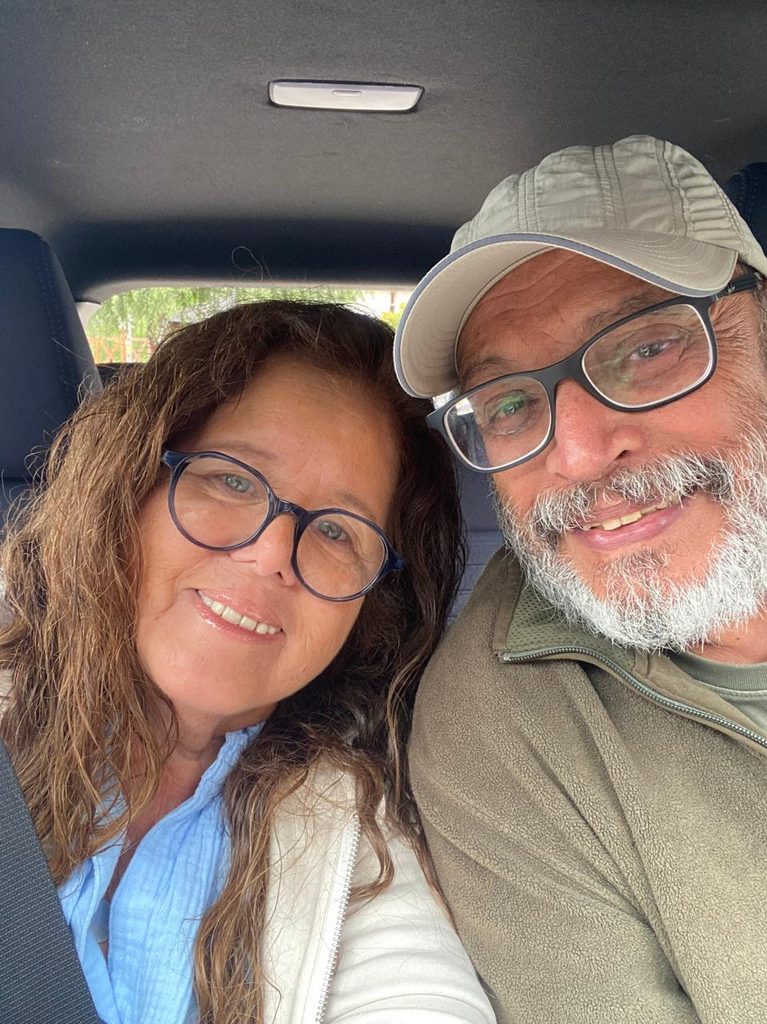
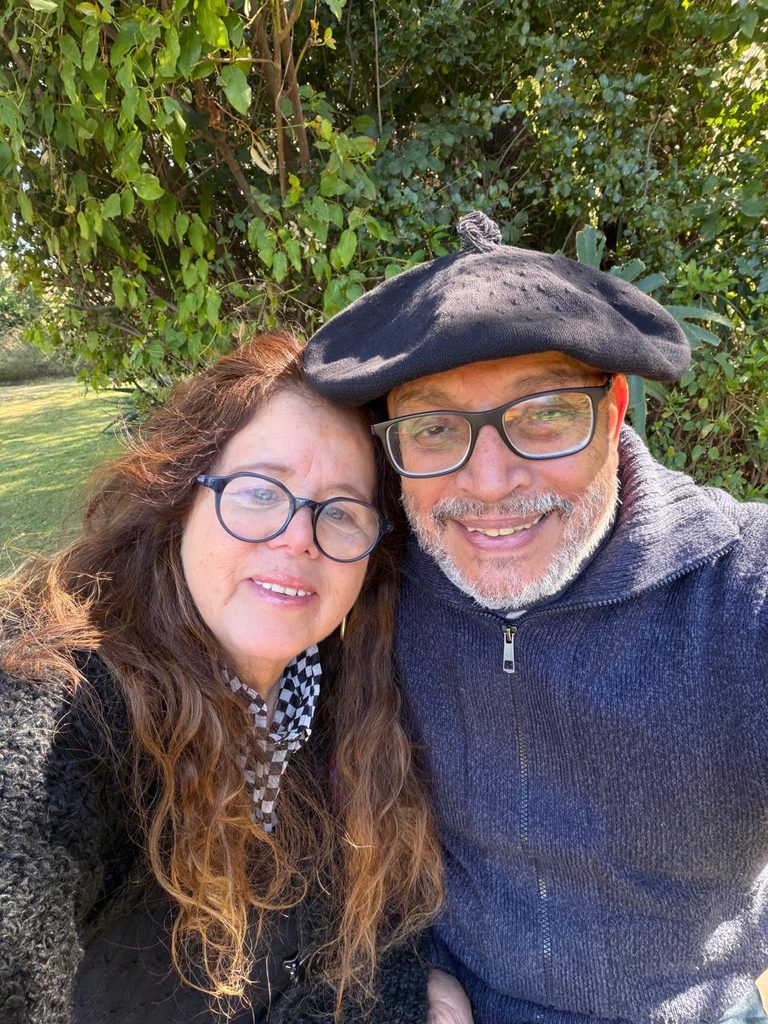
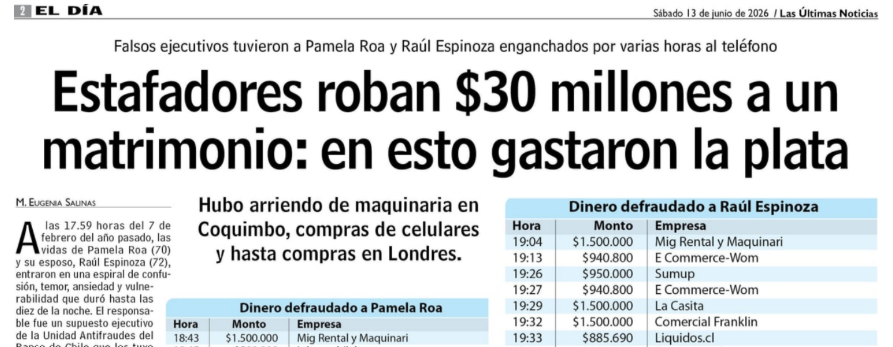
In This is a scam!, we learn the story of Pamela and Raúl, a retired couple from Chile who lost $30,000 after falling victim to digital fraud. Far from giving up, they decided to seek legal recourse, but they encountered a long, exhausting, and obstacle-filled process that, to this day, has not allowed them to close the case. Their story reflects not only the consequences of a scam but also how difficult it can be to hold those responsible accountable when our personal data is not properly protected.
Listen to Pamela and Raúl’s story!
Find out more about this story
- “Scammers steal $30 million from a couple: this is what they spent the money on,” newspaper article in Las Últimas Noticias (2026)
- Marianne Díaz Hernández, official website
- “By phone, the setup “The telephonic presentation is very convincing: How the Chilean National Identity Number (RUT) becomes the gateway to a bank scam that is spreading rapidly in Chile,” NEWSPAPER ARTICLE from The Clinic (2026)
- “Study reveals how much money Chileans lose to digital fraud,” NEWSPAPER ARTICLE from Las Últimas Noticias (2026)
- “Organizations working on the front lines for a safer internet need our help,” Internet Society ANALYSIS COLUMN (2026)
Explore our research on personal data protection
- REPORT Identities for sale: the illegal trade in latin american personal data on Telegram (2026)
- “The Body as Data,” RESEARCH by Marianne Díaz (2018)
- “In the Spotlight 2: An Overview of Digital Threats in Latin America,” REPORT by Derechos Digitales and the Latin American Observatory of Digital Threats (2026)
- “Data Protection: Progress, Setbacks, and Crossed Tensions in the Region,” COLUMN by ANALYSIS (2026)
- “Surveillance, Social Control, and Inequality: Technology Reinforces Structural Vulnerabilities in Latin America,” ANALYSIS COLUMN (2019)
Interviews in this episode
Ximena Cuzcano Chavez

Ximena is a Digital Security and Resilience Analyst at Derechos Digitales. She is a Systems Engineer with a Master’s degree in Cybersecurity and is currently pursuing a Master’s degree in Applied Ethics. She researches the differential impact of technology in Latin America, promoting an ethical, situated, and secure approach.
Marianne Díaz Hernández
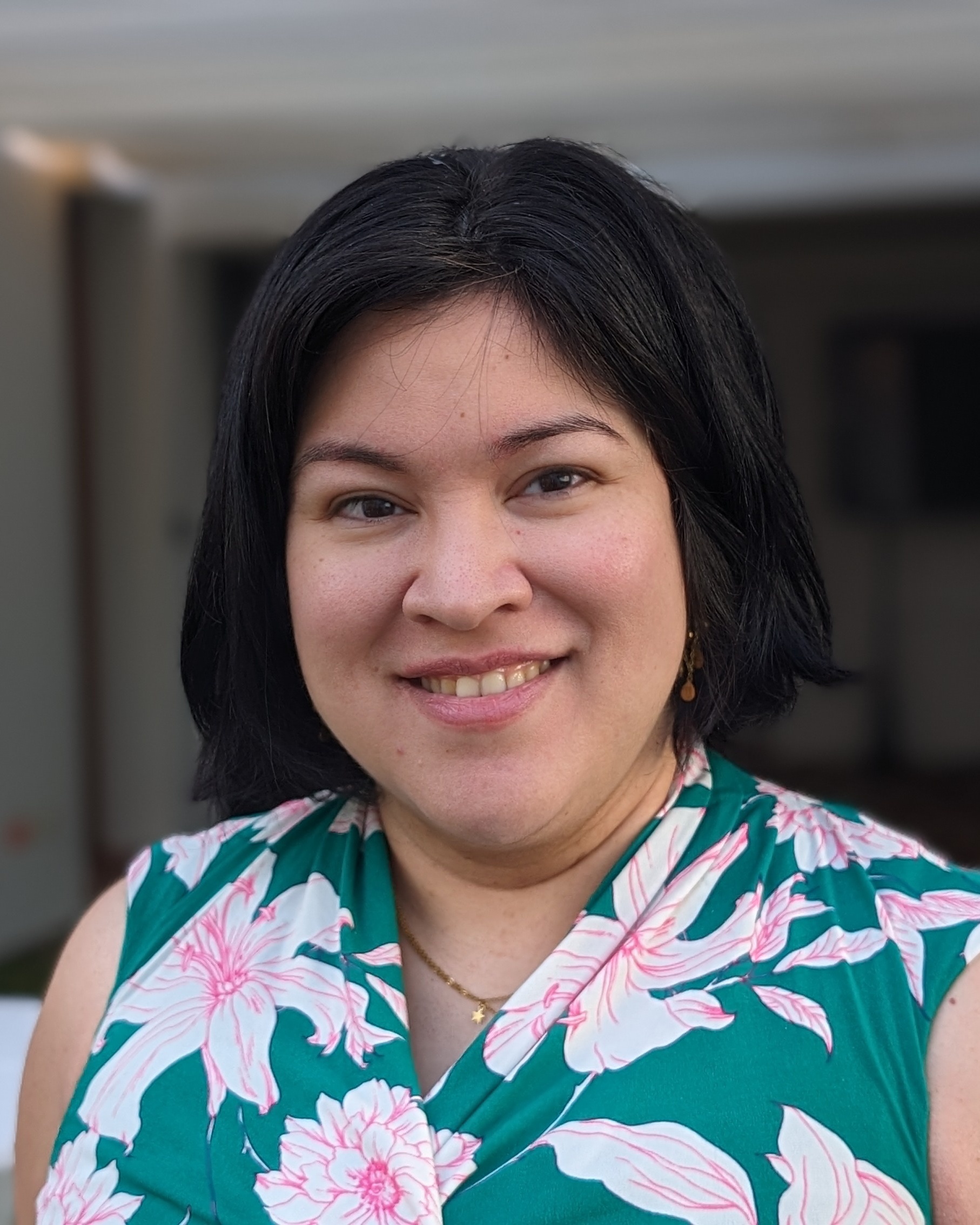
Marianne is a Venezuelan lawyer and researcher who, for over 15 years, has specialized in digital rights at the intersection of technology, power, and identity. Her work focuses on the policies of digital identity systems, the governance of public digital infrastructure (PDI), and the risks of surveillance, particularly in humanitarian and development contexts.
Credits
Narration and executive production: Tomás Vizzón
Script: María Florencia Alcaraz
Production: India Molina, Catalina Balla, Nicole Solano and Gastón Wahnish
Research and interviews: India Molina and María Florencia Alcaraz
Sound design: Mateo Corrá
Art and design: Diego Lepián
Administration: Ana Laura Fortuzzi, Camila Lobato and Paula Jaramillo
Supervision: Catalina Balla y Gastón Wahnish
Co-executive directors of Derechos Digitales: Jamila Venturini and Juan Carlos Lara
This podcast was produced with the support of Luminate.
This publication was created by a Spanish-speaking team at Derechos Digitales and translated into English with AI assistance, ensuring accuracy and consistency through human review.